Skip to content

Monument Metals Resource Center

Coins & Collectibles

Go deeper on the coins in your stack. Explore guides on coin types, key terms, junk silver, and how to identify what you have.

Landing Page Graphics (2)
Coin Sorting

Sort. Identify. Sell.

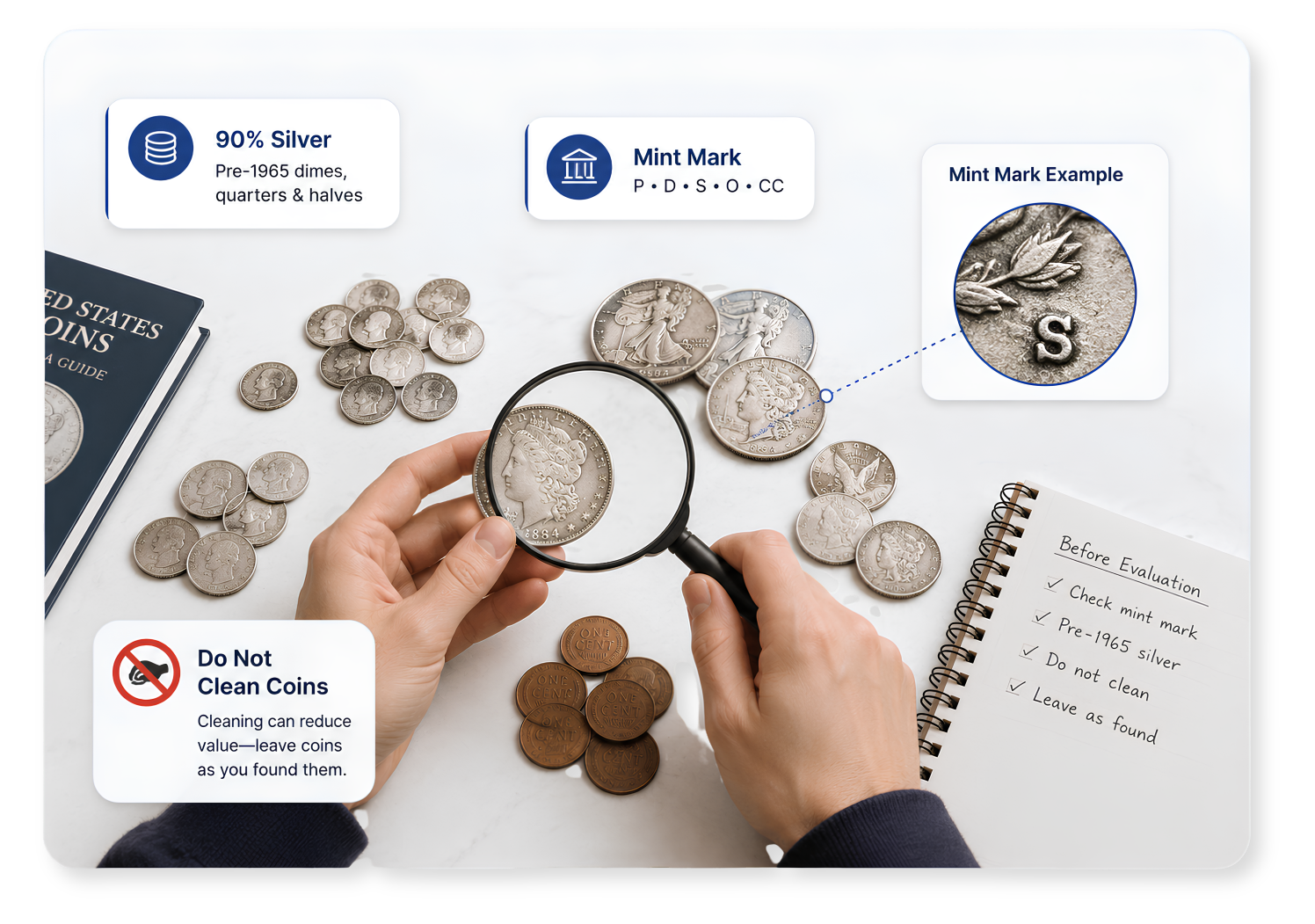
  • Identify U.S. coin series by type, date, and mint mark
  • Learn what condition, scarcity, and metal content actually do to value
  • See which coins are worth at least silver melt and which ones are worth more
  • Understand what to do and what to avoid before a professional evaluation
  • Free to download and keep as a reference

Guides & Resources

Bullion Coins vs. Collector Coins

Learn the difference between melt value and numismatic value before you buy.

Know What You Have

Sorting, identifying, and understanding your coins is the foundation of any good collection.

Building a Coin Collection

Whether you're chasing key dates or stacking silver rounds, learn how to buy with intention.


STOCK VAULT (27)

Bullion vs. Collector Coins: What’s the Difference?

Learn the difference between bullion and collector coins, how pricing works, and which option fits your goals when buying gold and silver.

Read the Guide →
STOCK VAULT (28)

BU vs Proof Coins: What's the Difference and Which Should You Buy?

Learn the difference between Brilliant Uncirculated and Proof finishes, premiums, and which option is best for stacking or collecting.

Read the Guide →
Landing Page Graphics (11)

What Is Junk Silver and How Do You Buy It?

What is junk silver and how do you buy it? Learn how to spot 90% silver coins by date and edge, understand face value pricing, and where to buy.

Read the Guide →
Landing Page Graphics (12)

What Does Cull Mean in Coins — and Should You Buy Them?

A cull coin is worn, damaged, or altered beyond grading. Learn what makes a coin a cull, what it is worth, and whether buying cull silver makes sense for you.

Read the Guide →
Landing Page Graphics (10)

Why Government-Minted Coins Are So Widely Trusted

Learn why government-minted gold and silver coins are trusted worldwide.

Read the Guide →
Landing Page Graphics (13)

Morgan Dollar: A Buyer's Guide to History, Silver, and Value

A buyer's guide to Morgan dollars: history, silver content, mintmarks, key dates, and how to buy.

Read the Guide →
Frequently Asked Questions

What's the difference between a bullion coin and a collector coin?

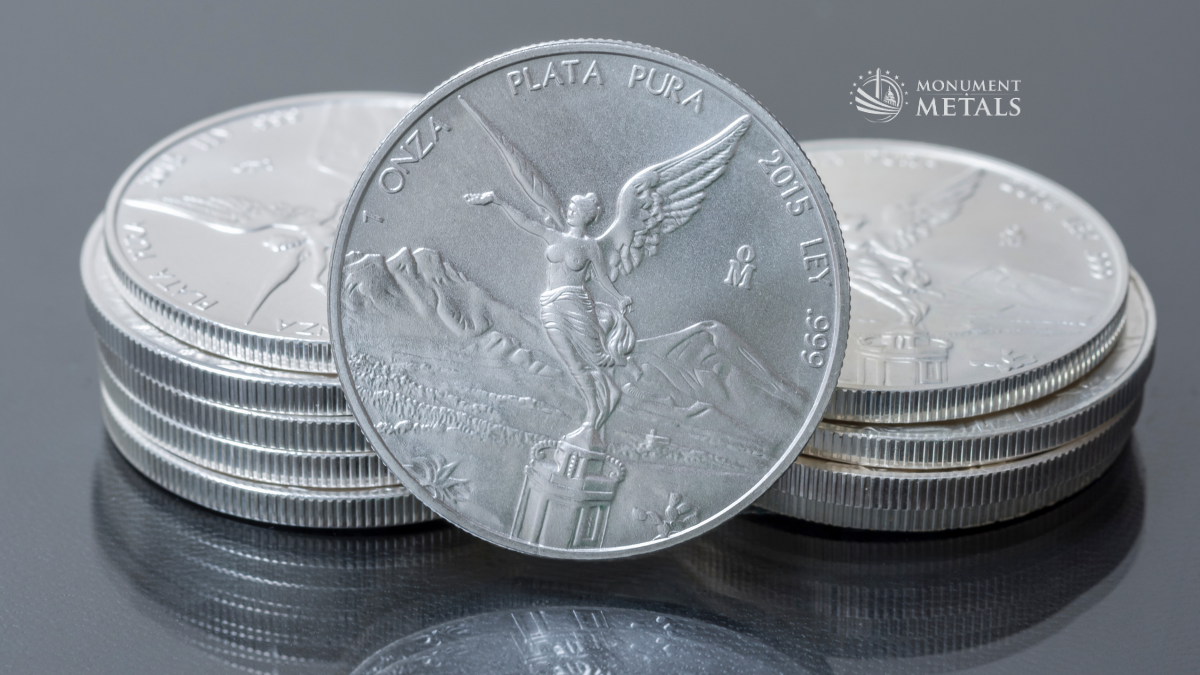
Bullion coins are bought primarily for their metal content and their value tracks spot price. Collector coins, or numismatic coins, carry value based on rarity, condition, and historical significance, often well above melt value. Some coins are both: a rare date in a popular bullion series can carry a numismatic premium on top of its metal value.

What does BU mean, and how is it different from Proof?

BU stands for Brilliant Uncirculated, meaning a coin that has never been used as currency and retains its original mint luster. Proof coins are struck multiple times with specially polished dies to produce a sharp, mirror-like finish. Proofs are generally produced in lower quantities and carry higher premiums, making them more collectible than investment-grade.

What is junk silver and is it worth buying?

Junk silver refers to pre-1965 U.S. coins including dimes, quarters, and half dollars that contain 90% silver. Despite the name, they're a legitimate and accessible way to buy silver close to spot price. They're popular with stackers who want fractional silver without paying high premiums.

What does "cull" mean when buying coins?

A cull coin is one that has been heavily circulated, damaged, or otherwise falls below the minimum grade standard for a given product. Culls are typically sold at a discount to spot and are best suited for buyers who want metal content over appearance. They're not ideal for collectors but can work for budget-conscious stackers.

Does mint of origin matter when buying coins?

It can. Government-minted coins issued by sovereign mints like the U.S. Mint, Royal Canadian Mint, or Perth Mint are universally recognized and easy to resell. Private mint coins and rounds may carry lower premiums but can be harder to move in certain markets. For newer buyers, sticking with sovereign mint products is generally the safer starting point.

What is the difference between a coin and a round?

Coins are legal tender issued by a government mint. Rounds are privately minted and carry no face value, produced purely as a way to buy silver or gold close to spot. Rounds often come in the same weights and purities as coins but typically trade at lower premiums and have a narrower resale market.

How do I know if a coin is authentic?

Reputable dealers sell authenticated products, so buying from a trusted source is your first line of defense. Beyond that, weight and diameter testing are the most reliable at-home checks since counterfeit coins almost always fail one or both. For high-value numismatic purchases, third-party grading and authentication through services like PCGS or NGC adds an additional layer of confidence.

What's the best way to store a coin collection?

Avoid touching coins directly since skin oils can cause long-term damage. Store in proper coin holders, flips, or slabs rather than loose in boxes. For bullion-heavy collections, a home safe or bank safety deposit box works well. For high-value numismatic collections, climate-controlled storage and insurance are worth considering.